US Auction Car History for Importers
Checking a US lot? Start with the VIN —
Pre-bid checklist for a US auction car
- Match the VIN
- Confirm the VIN in the listing matches the photos and documents — not just the make and model.
- Read the declared damage
- Primary and secondary damage tell you where to look; “minor” can still hide structural or airbag issues.
- Check the odometer & title type
- A salvage or rebuilt brand and the mileage shape both the price and the paperwork you’ll face at home.
- Compare the final bid
- The hammer price is the market’s honest opinion of the car’s condition — a deal far below it is a red flag, not a bargain.
- Confirm it actually sold here
- If the VIN has no Copart or IAAI record at all, ask the seller to explain where the car really came from.
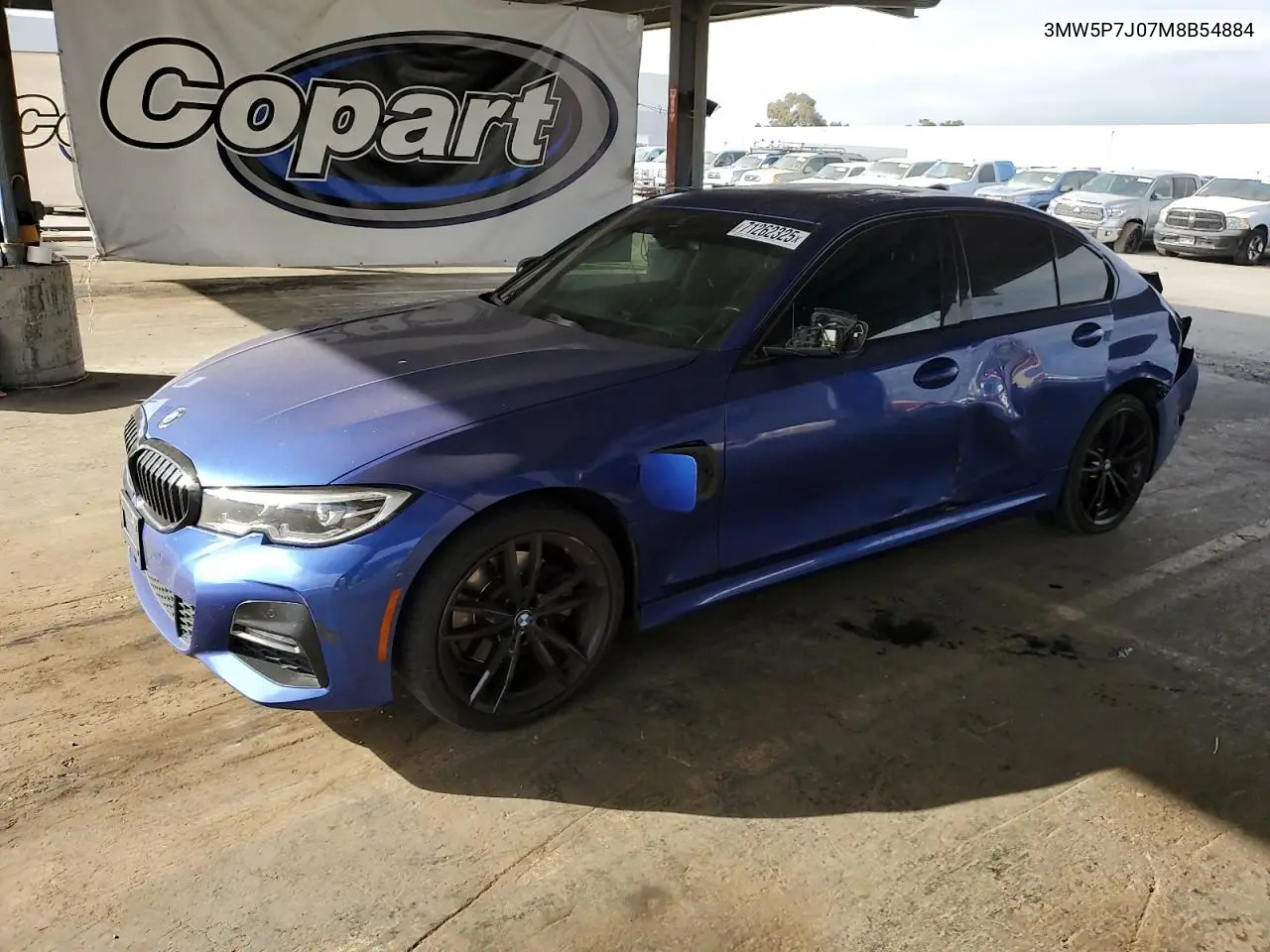
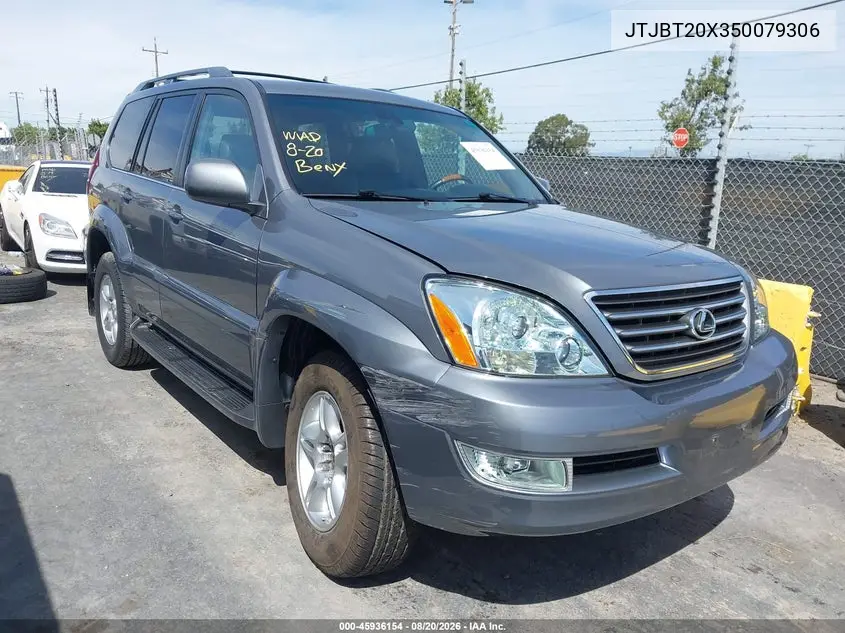
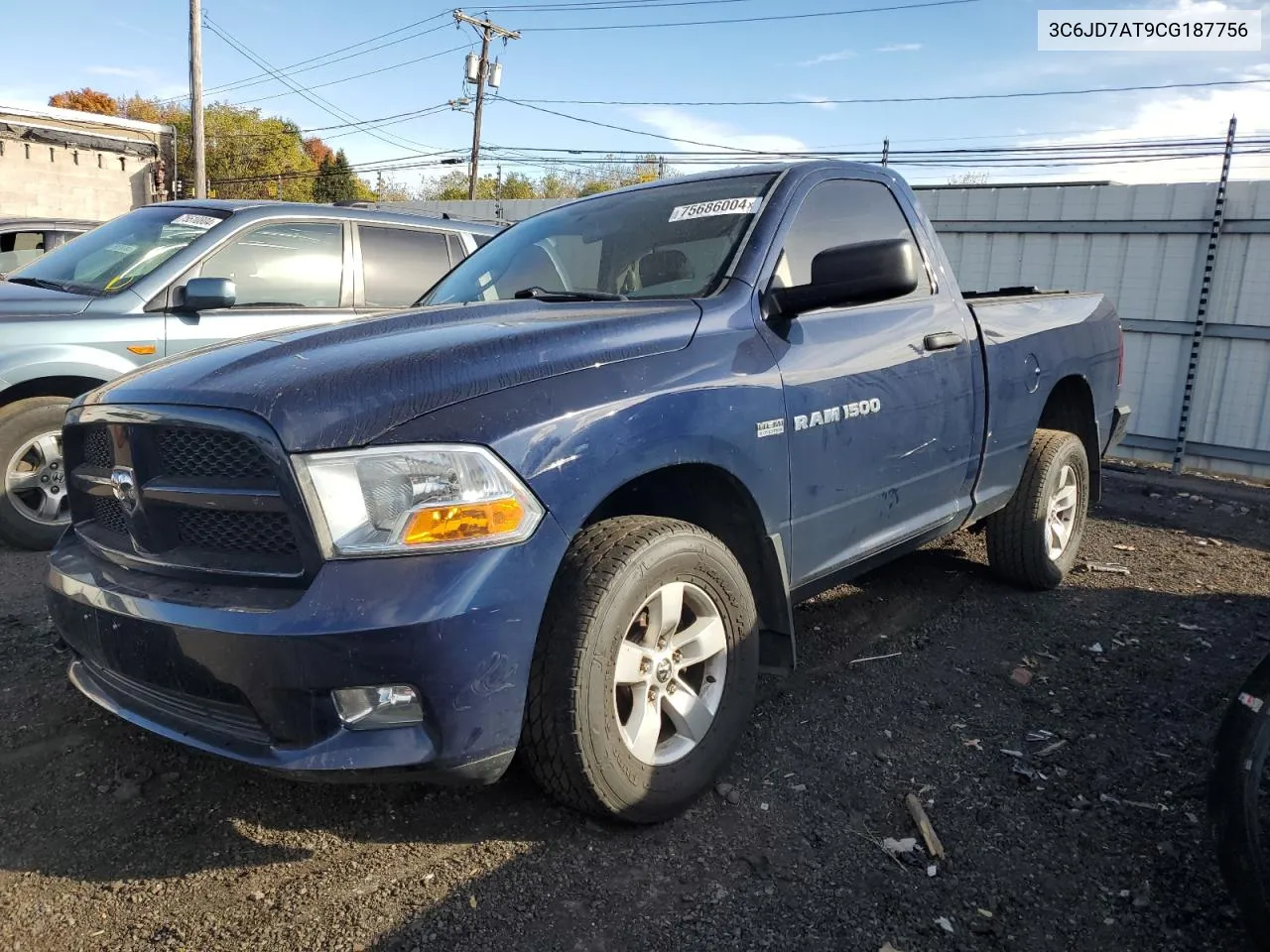
Recent US auction records

Frequently asked questions
How do I verify a US auction car before importing?
Check the VIN’s auction record: photos, declared damage, odometer, title type and final price. Read those before you bid or pay a deposit.
Is the check free?
Yes — free VIN lookups and the auction summary, no account.
Do you show shipping or customs costs?
No. We show the auction condition-and-price record. Shipping, duties and customs are handled by your forwarder or broker.
Which auctions do you cover?
Copart and IAAI, the main US salvage and insurance houses.
Importing a car from a US auction can be a great deal, but the distance makes due diligence harder — you usually can’t inspect the vehicle in person before you commit. The single best substitute is the auction record itself: the photos taken at the block, the damage the seller declared, the mileage and the price the market actually paid. That record is exactly what this page surfaces, free, by VIN.
Paste a 17-character VIN and we check it across Copart and IAAI, then show the archived photos, declared primary and secondary damage, the odometer, the document or title type and the final sale price. For an importer in Europe, the Caucasus or Central Asia, reading that before you bid — or before you wire a deposit to a dealer — is the cheapest insurance you can buy on a US lot.
This page includes a short pre-bid checklist of what to verify on any US auction car, plus recent real records as examples. We show what was declared at auction, not shipping costs or customs — for those, talk to your forwarder — but the condition-and-price record here is the part most importers get burned on.